Your Cart Is Empty
Looks like you haven't added anything yet. Browse the catalogue to get started.
Shop NowYou are $200.00 away from free shipping.
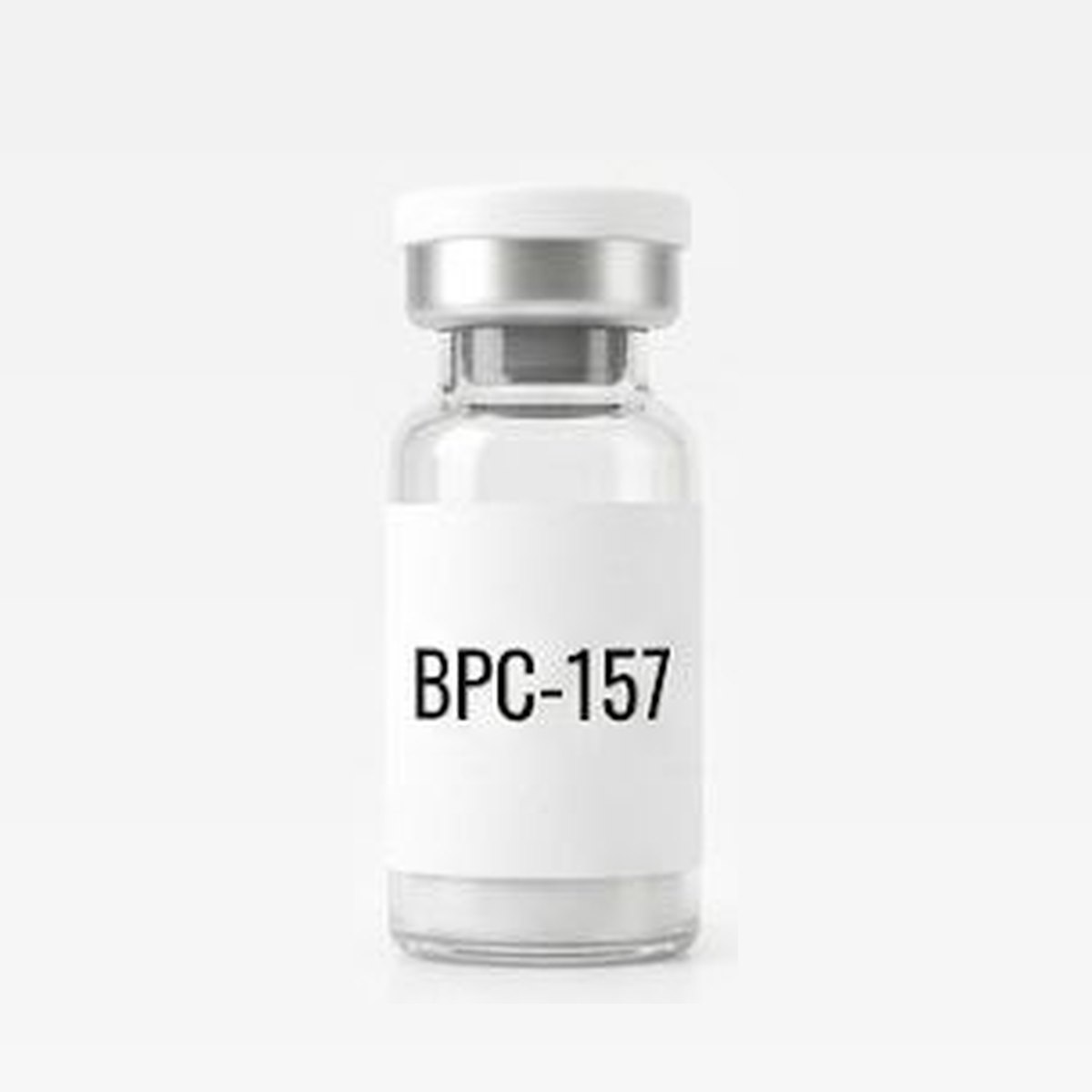
10 mg · lyophilized
$60.00
CAD · per vialThis product is sold strictly for laboratory and research use. It is not a drug, supplement, cosmetic, or food, and it is not for human or animal consumption, diagnosis, treatment, cure, or prevention of any disease. By purchasing, you confirm you are 18+ and are acquiring this product for legitimate research purposes. MOP does not provide dosing information, reconstitution instructions for use, or administration guidance of any kind.
BPC-157 is a synthetic 15-amino acid pentadecapeptide derived from a protective protein sequence naturally found in gastric tissue. Widely recognized in regenerative literature, this compound is heavily investigated in preclinical models for its interaction with the nitric oxide (NO) pathway and VEGFR2 expression.
Evaluated in research models regarding tendon, ligament, and collagen matrix repair.
Studied for its influence on angiogenic pathways and endothelial cellular migration.
Researched in relation to mucosal tissue mechanics and gut barrier homeostasis.
Every batch of this product is independently tested for identity and purity. View the Certificate of Analysis for this batch on our Lab Results page.
View COAShips from Canada via Canada Post. Order before 2:00 PM ET for same-day dispatch. Typical delivery: 1–3 business days.
As a general lab-handling guideline, lyophilized peptides are relatively stable at room temperature for short periods but should be moved to refrigerated storage (roughly 2–8°C) as soon as practical after receipt, and kept away from light and humidity. For longer-term storage, freezing is often preferred. This is general handling information only, not usage or dosing guidance.
10 mg · lyophilized
50 mg · lyophilized
10 mg · lyophilized
Tripeptide · lyophilized